
Pathology is a key player when it comes to getting a handle on diseases right from the start, in other words, at their earliest stages. In Australia’s healthcare set up, which is all about spotting problems before they get serious and then doing something about them, pathology provides the scientific framework that lets doctors pick up on tiny changes in the body before they become major issues. By taking a close look at things like tissues, blood, and other bodily fluids, pathologists can spot abnormalities that don’t yet show up in symptoms or imaging tests. And that early detection is vital for loading the dice in favour of the patient, and making sure that treatment gets underway ASAP.
The value of pathology all comes down to its ability to uncover stuff that might otherwise get missed. It’s through pathology testing that doctors can detect those early warning signs of disease before patients start feeling unwell or getting into trouble. Think of it like this: a run-of-the-mill blood test can pick up on early signs of diabetes, cholesterol that’s out of whack, or liver trouble. Similarly, a close-up look at cells under a microscope can spot the precancerous changes that let you nip things in the bud. In Australia’s preventive healthcare push, pathology is what provides the evidence that underpins early diagnosis and helps guide what doctors do.
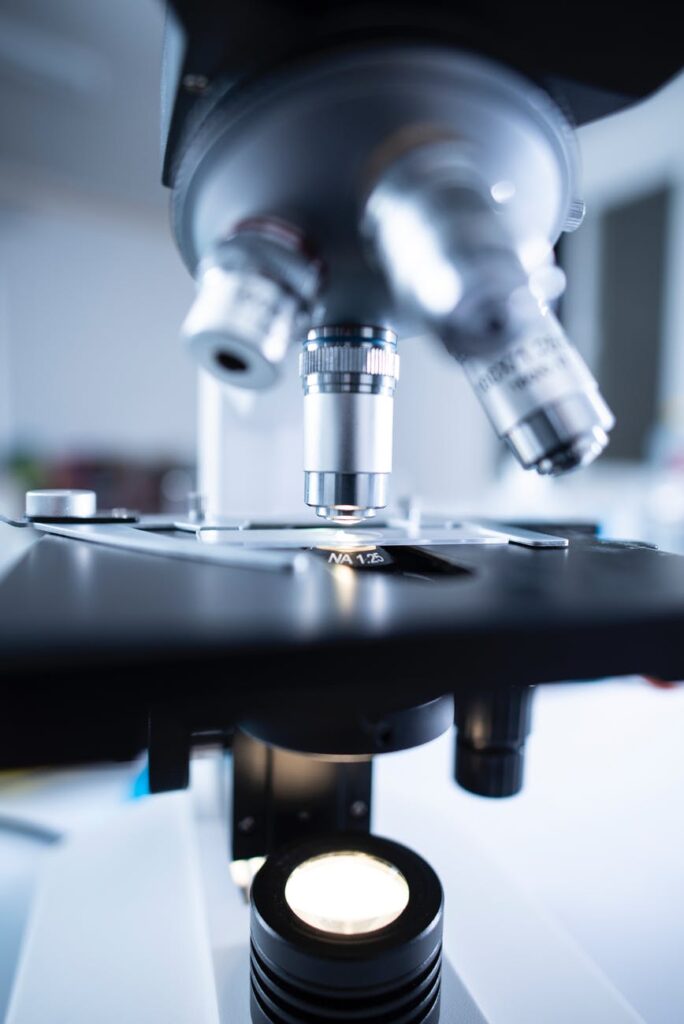
Pathology : the Building Block of Preventive Medicine
Preventive medicine is all about using what pathology has to offer to stop diseases from getting a foothold in the first place. By identifying the risk factors and early warning signs of disease, pathology lets healthcare providers step in before things get serious. For instance, the regular screening programs for cervical cancer, bowel cancer and breast cancer here in Australia rely on pathology to analyze samples and spot any abnormal cells. These programs have done a world of good by cutting mortality rates down to size. Pathology also helps out with preventing chronic conditions such as heart disease. We’re talking about blood tests that can highlight high cholesterol or inflammation that signals you might be at higher risk. Without pathology, preventive medicine wouldn’t have the precision it needs to pinpoint the people who need a closer eye kept on them or need to make some lifestyle changes. And pathology’s contribution to preventive medicine isn’t just about individual patient care.
Detecting Cancer in its Earliest Stages
Cancer detection is right at the top of the list of pathology’s contributions to healthcare. Many cancers creep up on us, with almost no symptoms at all until they’re already at an advanced stage and it’s usually too late by then. But pathology lets clinicians identify those pesky cancerous or precancerous changes at a cellular level, often years before they become a major threat. We’re talking techniques like histopathology, cytology and molecular testing; these are all top-notch ways of peering into the nature of dodgy cells. In Australia, pathology labs are essential to cancer screening programs, making sure that conditions like cervical cancer and melanoma are diagnosed early on. Given Australia’s pretty high incidence of skin cancer, pathology plays a huge role in analysing biopsies and confirming diagnoses, which means folks can get the timely surgery or treatment they need.

Pathology in Managing Infectious Diseases
Infectious diseases are still a real old headache for healthcare, and without pathology, it would be even worse. Laboratory tests can pinpoint bacteria, viruses and parasites with amazing accuracy which means clinicians can diagnose infections in no time and prescribe the right treatment. In Australia, pathology labs did a crucial job during the COVID-19 pandemic. They processed millions of tests to track the spread of the virus and help guide the public health response. But it’s not just about pandemics, pathology is also top-notch at detecting infections like flu, TB and STIs. Early detection means infections are treated promptly, so we avoid complications and all that nasty transmission business.